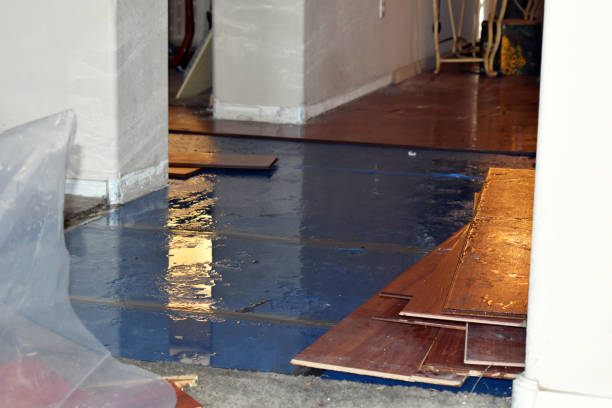
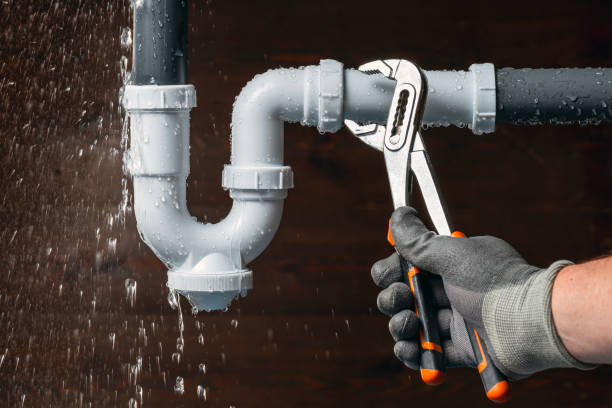
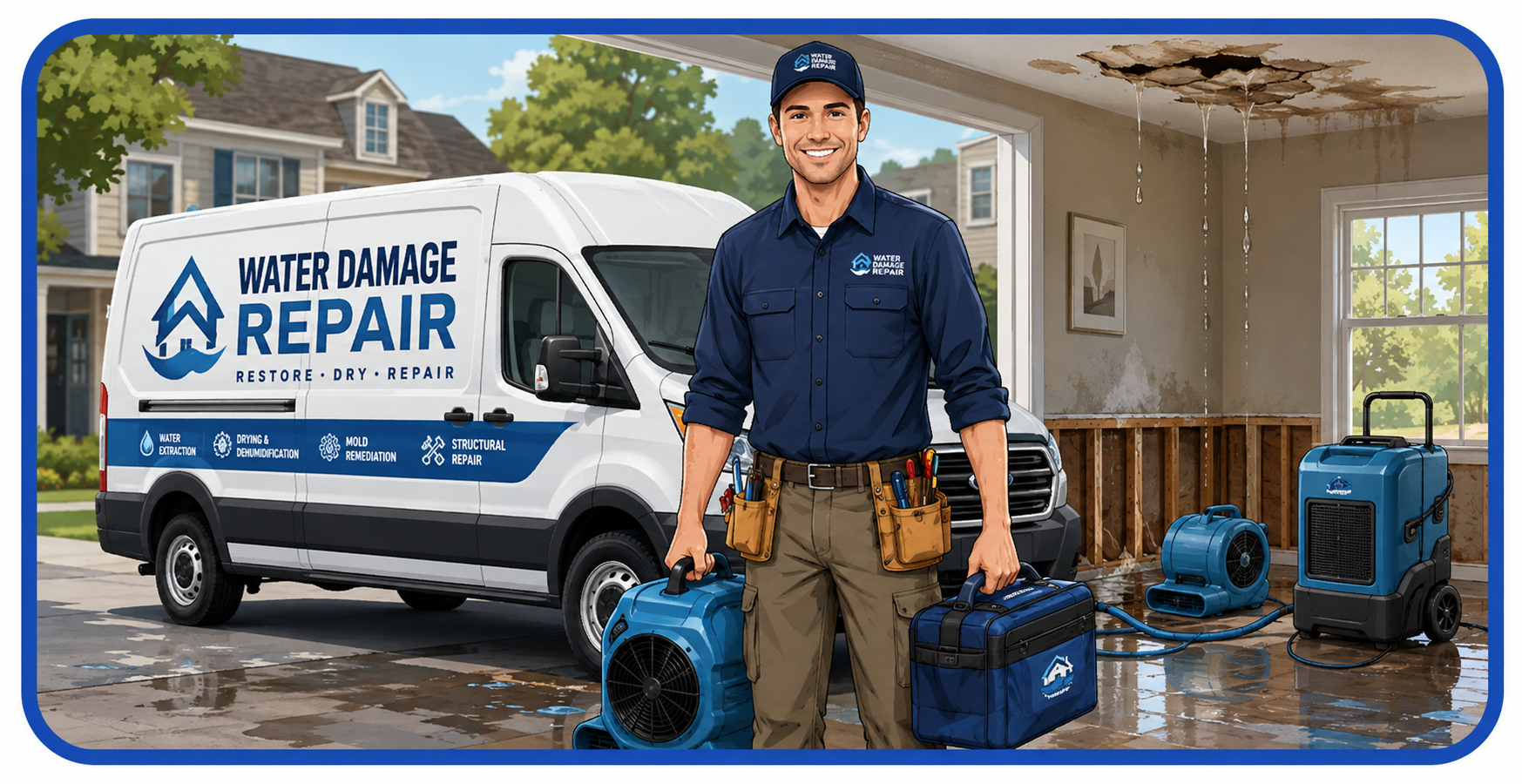
A washing machine hose lets go at 2am and suddenly your San Francisco laundry room is underwater — that's the exact moment our dispatch line is built for, with a technician routed before you've finished mopping the first puddle.
Call +1-844-578-1604
Crews staged inside San Francisco limits
Written estimate, no hidden line items
Licensed & insured, verifiable on request

Aqua Guard Water Damage didn't parachute into San Francisco with a rented truck and a stock script. Our technicians have worked this market long enough to know which neighborhoods sit low, which ones have older cast-iron plumbing, and which zip codes call in during every heavy storm.
Local pricing means local pricing — our San Francisco estimates reflect actual regional labor and material costs, not a national average that leaves you either overpaying or underinsured.
Homeowners dealing with a flood are stressed enough without technical jargon, so we train our crews to explain the process in plain terms from the first phone call.
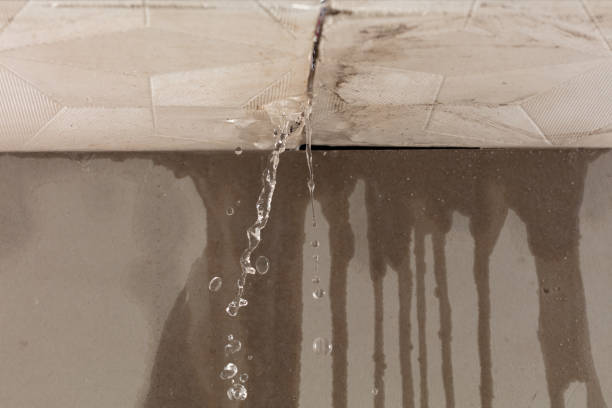
Water damage rarely starts as a dramatic flood — it usually starts small, and these are the signs worth acting on before the damage spreads further.
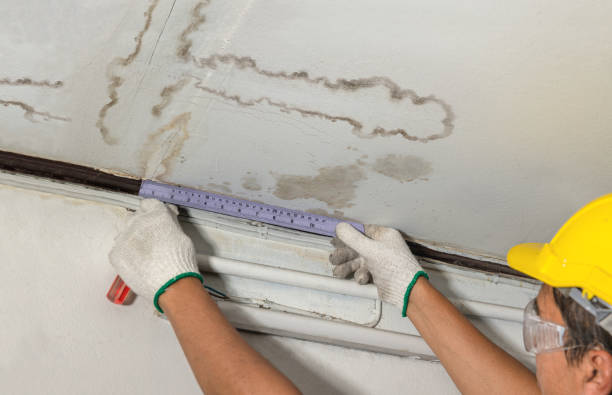
Fresh paint over an old stain can hide the problem visually for a month or two, right up until the drywall paper backing gives out.
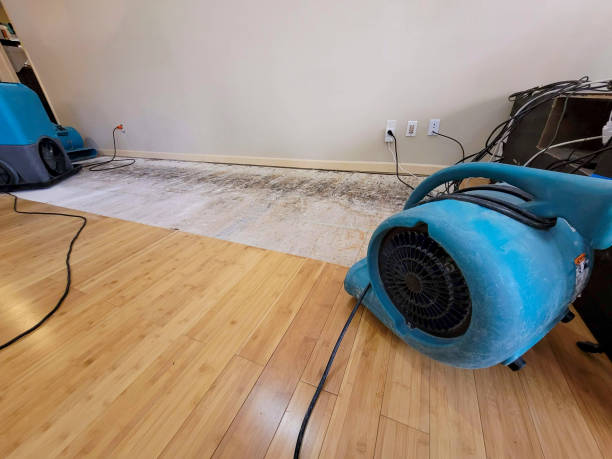
If a dehumidifier and open windows don't clear the smell within a day or two, there's an active moisture source that ventilation alone won't solve.
A hollow sound from tile that used to sound solid usually means the mortar bed lost adhesion from sustained moisture underneath.
A sudden increase in usage with no change in household habits is often the earliest sign of a slab leak, well before any visible water shows up.
Wallpaper that suddenly lifts at the seams after holding fine for years often signals a change in the humidity or moisture level inside that wall cavity.
Mold that returns after a bleach cleaning is a sign the moisture source behind it was never actually addressed.
Catching two or more of these signs at once usually means it's past time for a proper inspection.
Bouncing between an extraction company, a drying company, and a repair contractor is how small jobs turn into weeks-long headaches — we keep all three under one roof on purpose.
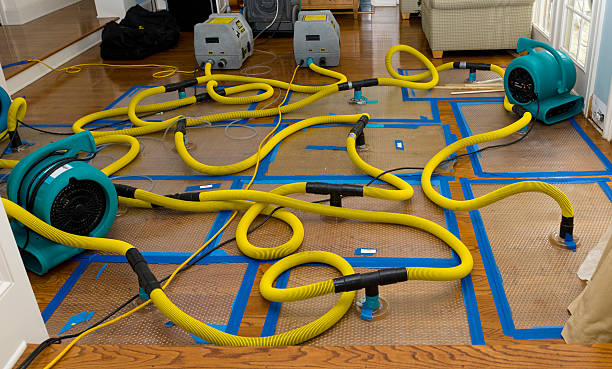
The equipment on our trucks scales up or down to the job, but the process — assess, extract, dry, verify, repair — doesn't change.
The first hour after a water loss decides how much of the structure is salvageable, which is why extraction is always the first truck-mount job, not an afterthought behind paperwork.
Daily drying logs track humidity and surface moisture at every checkpoint, giving you documented proof of progress instead of a verbal 'it's getting there.'
Our sewage cleanup protocol follows IICRC S500 guidelines start to finish, including isolation of the affected zone and disposal documentation.
If mold has already started, containment with negative air pressure goes up before any demolition begins, so spores don't travel to unaffected rooms.
Reconstruction starts from the actual drying documentation, not a fresh guess, which keeps the repair scope accurate.
We inventory and relocate contents that need to leave the affected area, then coordinate their return once the space is verified dry.


Four steps, no guesswork — here's exactly what happens between your call and a verified-dry structure.
A live dispatcher, not a voicemail tree, takes your call and asks a few quick questions about the source and severity so the crew rolls out prepared.
Skipping or rushing this step is how hidden moisture pockets turn into a mold problem months down the line.
Equipment placement follows the specific psychrometric numbers from assessment, not a generic pattern used on every job.
Final verification is where corners often get cut industry-wide; we treat it as mandatory.
We built the checklist below around the actual complaints people have about restoration companies in general, then made sure Aqua Guard Water Damage doesn't repeat them.
Every technician carries IICRC certification, and every crew works fully insured — documentation available whenever you want it.
Shorter drive times matter most in the first hour after a loss, which is exactly when local staging pays off.
The number we quote is the number you pay, regardless of how long the drying cycle runs.
Every job closes with a documented re-inspection, not a handshake and an invoice.
We'd rather run a dehumidifier an extra day on our dime than sign off on a reading we're not confident in.
The standard doesn't change based on job size — a single bathroom flood gets the same sign-off criteria as a full commercial loss.
Call +1-844-578-1604Whether your address sits in 94130 94131 94132 94133 94134 94103 94102 94105 94104 94188 94158 94124 94123 94122 94121 94129 94110 94118 94112 94116 94117 94114 94115 94111 94109 94108 94107 94127 94119 94120 94125 94126 94137 94139 94140 94141 94142 94143 94144 94145 94146 94147 94151 94159 94160 94161 94163 94164 94172 94177 94128 or a neighboring zip, the same crew and the same response standard applies.
Coverage extends past the city core into the surrounding San Francisco suburbs, so an outlying address isn't treated as a second-tier call.

"I've dealt with contractors before who talk a big game and disappear. The crew here in San Francisco actually showed up on time and stayed in touch through the whole drying process."
Renee A., San Francisco"A storm backed water into our finished basement and the crew classified it, extracted it, and had dehumidifiers running that same afternoon. The invoice matched the quote to the dollar."
Owen D., San Francisco"They didn't cut corners on the sanitization step even though it clearly slowed them down — with two kids in the house, that mattered to us."
Fatima J., San Francisco"Every cost question got a straight answer, even the awkward ones, which is more than I can say for the last two contractors I dealt with."
Lucas P., San Francisco"The thermal scan caught damage behind a cabinet that could have turned into a much bigger mold problem if it went unnoticed."
Grace T., San Francisco"Our office flooded overnight and industrial equipment was already running before our staff arrived for the morning shift."
Nathaniel W., San Francisco"The technician explained exactly which boards needed to go and which tested dry enough to keep, so we didn't overpay for the repair."
Bianca H., San Francisco"They explained the crawl space drainage issue in plain terms instead of technical jargon, and fixed it on the spot rather than scheduling a separate trip."
Derek S., San Francisco"Our upstairs bathroom leaked into the kitchen ceiling below and the crew traced it back to a failed wax ring on the toilet, not just patched the visible ceiling stain."
Melissa C., San Francisco"Being out of town when it happened was stressful enough — having a crew that could work directly with our property manager made it manageable."
Victor N., San Francisco