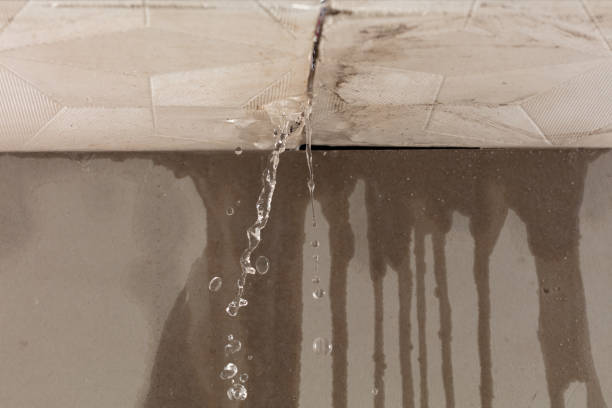
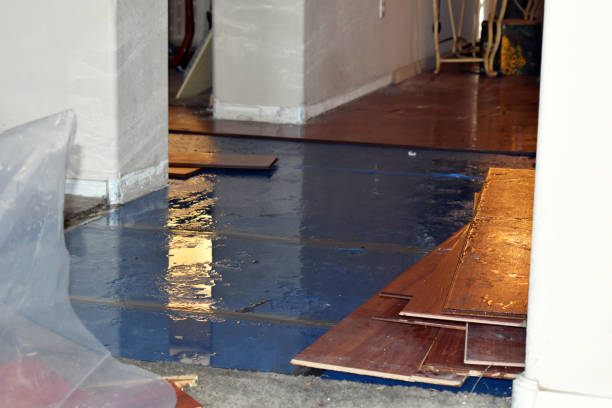
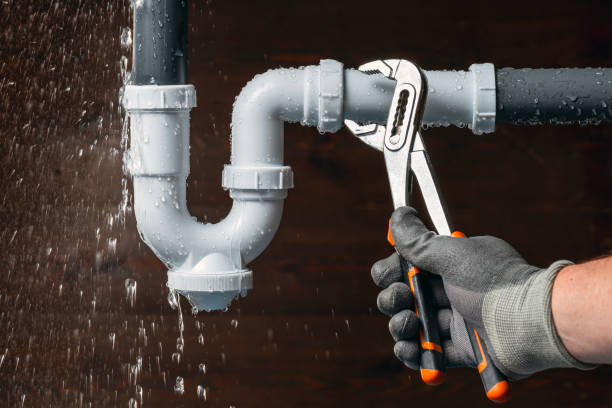
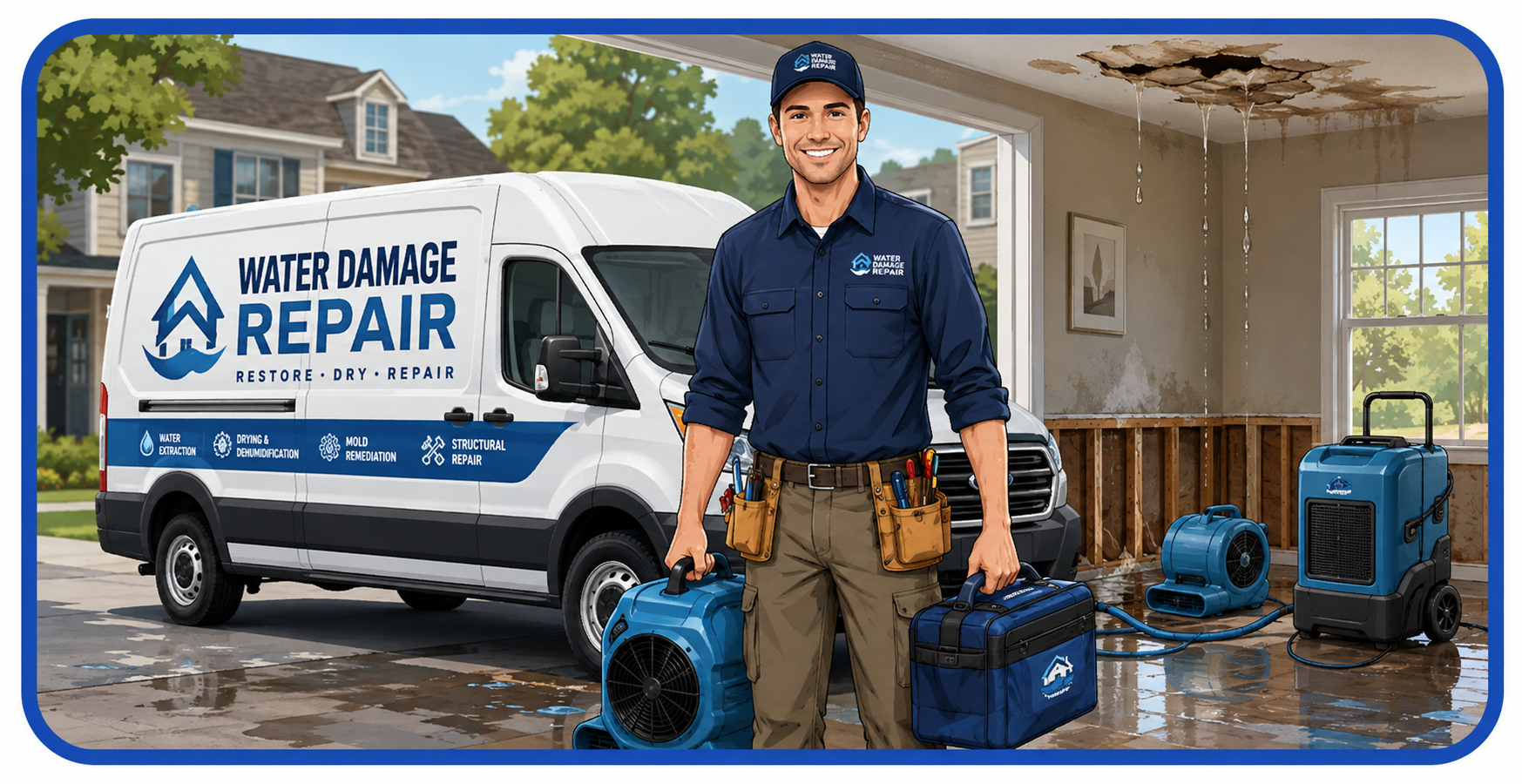
A washing machine hose lets go at 2am and suddenly your San Francisco laundry room is underwater — that's the exact moment our dispatch line is built for, with a technician routed before you've finished mopping the first puddle.
Call +1-844-578-1604
Crews staged inside San Francisco limits
Flat-rate quote before any equipment runs
Licensed & insured, verifiable on request

We run our San Francisco operation on IICRC-certified technicians and commercial-grade equipment, not a subcontractor list we pull from when the phone rings.
Local pricing means local pricing — our San Francisco estimates reflect actual regional labor and material costs, not a national average that leaves you either overpaying or underinsured.
Ongoing training matters more to us than a certificate on the wall — drying standards and equipment change, and our crews train against the current standard, not the one from five years ago.
Not every water problem announces itself with a flooded floor. Most start quietly, and catching one of these signs early is usually the difference between a same-day fix and a much bigger repair.
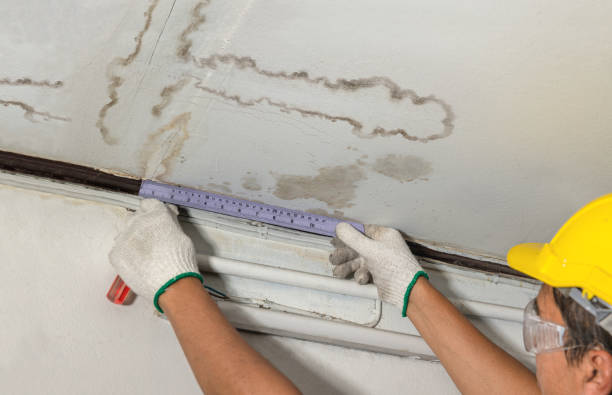
A ring that reappears within weeks of a fresh coat of paint means the moisture source is still active, and it's usually a plumbing line, not a roof issue, especially near bathrooms.
A musty note that wasn't there a season ago usually means microbial growth has started somewhere behind a wall or under flooring, well before you can see anything.
A hollow sound from tile that used to sound solid usually means the mortar bed lost adhesion from sustained moisture underneath.
A sudden increase in usage with no change in household habits is often the earliest sign of a slab leak, well before any visible water shows up.
Wallpaper that suddenly lifts at the seams after holding fine for years often signals a change in the humidity or moisture level inside that wall cavity.
Dark spotting around grout lines or window frames is frequently the first visible sign of a developing moisture problem.
If more than one of these sounds familiar, it's worth a professional moisture check sooner rather than later.
Bouncing between an extraction company, a drying company, and a repair contractor is how small jobs turn into weeks-long headaches — we keep all three under one roof on purpose.
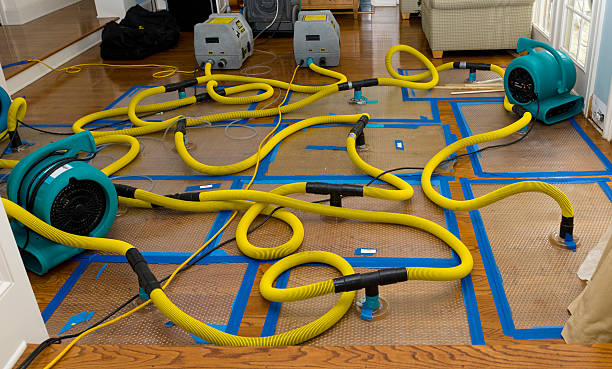
The equipment on our trucks scales up or down to the job, but the process — assess, extract, dry, verify, repair — doesn't change.
The first hour after a water loss decides how much of the structure is salvageable, which is why extraction is always the first truck-mount job, not an afterthought behind paperwork.
We don't call a structure dry based on a visual check — the moisture meter has the final say before equipment comes down.
Materials that had direct contact with contaminated water almost always come out rather than get dried in place — that's a safety call, not a cost-cutting one.
Antimicrobial treatment on studs, subfloor, and other porous surfaces happens during the drying phase, especially anywhere that stayed wet more than 48 hours.
One contract from extraction through reconstruction means you're not managing two separate companies and two separate invoices.
Furniture, electronics, and documents get assessed on-site, with salvageable items cleaned and stored while the space dries.


This is the same sequence every job follows, whether it's a single flooded room or a full commercial loss.
Real person, real questions, fast routing — the goal is getting a truck moving within minutes of hanging up.
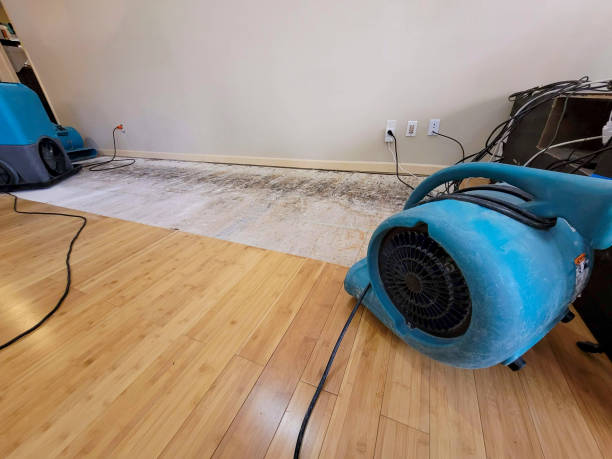
Skipping or rushing this step is how hidden moisture pockets turn into a mold problem months down the line.
Standing water comes out first with commercial extraction equipment, then air movers and dehumidifiers go to work based on the readings just taken.
Final verification is where corners often get cut industry-wide; we treat it as mandatory.
None of these four things matter in isolation — it's the combination of licensing, speed, honest pricing, and a real guarantee that actually changes the outcome of a water emergency.
We'll show you the credentials before we show you the invoice, if that's what puts you at ease.
Regionally staged trucks mean a crew often arrives before a national chain's call center finishes the intake questionnaire.
The number we quote is the number you pay, regardless of how long the drying cycle runs.
Every job closes with a documented re-inspection, not a handshake and an invoice.
Every job closes with documented moisture verification, because a promise without data behind it isn't much of a promise.
This isn't marketing copy — it's the actual checklist our crews sign off against before a job is marked complete.
Call +1-844-578-1604Our San Francisco service radius covers 94130 94131 94132 94133 94134 94103 94102 94105 94104 94188 94158 94124 94123 94122 94121 94129 94110 94118 94112 94116 94117 94114 94115 94111 94109 94108 94107 94127 94119 94120 94125 94126 94137 94139 94140 94141 94142 94143 94144 94145 94146 94147 94151 94159 94160 94161 94163 94164 94172 94177 94128, with trucks positioned to reach any address quickly, not just the neighborhoods closest to a single office.
We track call patterns by zip code across San Francisco to keep crew staffing matched to where emergencies actually happen.

"What stood out was how calm the technician stayed while explaining a genuinely stressful situation — that mattered more than I expected."
Renee A., San Francisco"They found mold starting behind our baseboards before it spread and handled containment properly instead of painting over it like a previous company tried."
Owen D., San Francisco"They didn't cut corners on the sanitization step even though it clearly slowed them down — with two kids in the house, that mattered to us."
Fatima J., San Francisco"Fast response and clear pricing, and they handled the back-and-forth with my insurance adjuster directly, which saved me a genuinely stressful week."
Lucas P., San Francisco"The thermal scan caught damage behind a cabinet that could have turned into a much bigger mold problem if it went unnoticed."
Grace T., San Francisco"Our office flooded overnight and industrial equipment was already running before our staff arrived for the morning shift."
Nathaniel W., San Francisco"A cracked supply line under our kitchen sink went unnoticed for days, and by the time we called, the subfloor was saturated. They only replaced what actually tested wet, not the whole floor."
Bianca H., San Francisco"Storm runoff got into our crawl space and the smell alone told us something was wrong. They found a failed vapor barrier and fixed the actual cause during the same visit."
Derek S., San Francisco"Our upstairs bathroom leaked into the kitchen ceiling below and the crew traced it back to a failed wax ring on the toilet, not just patched the visible ceiling stain."
Melissa C., San Francisco"A dishwasher supply line failed while we were on vacation and came home to a soaked kitchen floor. They handled the extraction, drying, and coordination with our property manager without us having to fly back early."
Victor N., San Francisco